Archive for the ‘Ayahuasca’ Category

Feb
14

From the richness of related mythology, the utilization of Ayahuasca, pronunced eye-a-was-ca, for visionary experiences appears being primeval. Pre-Colombian rock drawings are like updated ayahuasqueros pantings, that are alleged to represent vage visions. earliest recognized record from the practices related with this botanical wasn’t set down until the middle of the 19th century.

Harmaline and other harmala alkaloids appear throughout the plant globe and are the principle psychoactive ingredient in the “magical” libation yage, recounted yah-hey. These substances are also present in cigarettes and even within the human pineal gland.

Even though these three-ringed compounds are widespread within the plant kingdom, their use as an entheogen is understood in only two particular, geographically separate practices. Initial is the scraping on the bark of Banisteriopsis vines to generate a drink inside the Amazon, and 2nd, digestion from the seeds of Syrians. The Amazonian practices are much better documented and colorfully illustrated the purgative, recovery, visible, telepathic, sexual, inventive, non secular and therapeutic potentials in entheogens.

Numerous early explorers of northwestern South America referred to ayahuasca, yage and caapi, citing a forest liana but providing tiny detail. In the early twentieth Century, it was learned the use of Banisteriopsis vines for therapeutic, initiatory and shamanic rites extended to Peru and Bolivia.

Thanks to the substantial interest inside the psychedelic practical knowledge the advent of LSD triggered reports about Ayahuasca that ordinarily would’ve been prohibited for the technical literature received reasonably broad circulation. There has been dialogue about ayahuasca, which spread the term concerning the vine and its use for divinatory and prophetic purposes.

Several analysts went to South America trying to find ayahuasqueros, expecting to possess a exclusive ayahuasca encounter. Some recounted an ayahuasca-psilocybe practical knowledge that lasted purportedly for a month from the jungle. Their engaging hopeful testimonials called consideration to ayahuasca whilst contemplating topics of mind-body interactions.

Possibly the best wide-ranging investigation with the numerous states of ayahuasca encounter comes out of the professor of Psychology on the Hebrew University in Jerusalem, Bernard Shamon. He tried the knowledge himself numerous times and interviewed locals, city folks, shamans and travellers. Shamon lays out what he suspects can be a structure that may be used for the encounter and which he also feels may be used to other entheogenic use.

Psychedelic Ayahuasca Tourism

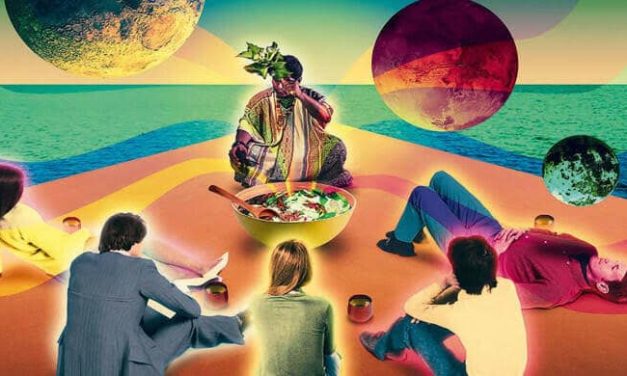
Several groups give journeys for the Amazon with the thought of travellers taking ayahuasca under their auspices. Ayahuasca SpiritQuest, just as one instance, publicizes “transformative workshop retreats exploring the essence of usual shamanic Ayahuasca treatment practices and ethnobotany inside the center on the Peruvian Amazon.”

Jan
25

There is a horrible sense of meaninglessness and chaos that comes from the extreme loneliness of being cut off. Trauma, whether sustained in the family, or in the military during combat, renders millions feeling unsafe, insecure, mistrustful, and in the end isolated, lonely and desperate. Judith Lewis Herman, who wrote the definitive book on trauma and recovery, stated that all so-called mental illness and suffering could be seen as a person’s misguided attempt to survive trauma. Fear separates, love unites. We all wish to grow to freedom, to belong, to participate. Hatred is like gangrene, shame is deadly. Forgiveness is but a faint hope.

By Andrew Feldmar.

Sandoz began to market LSD in 1947 as a psychiatric panacea, the cure for everything from schizophrenia to criminal behaviour, sexual perversions, alcoholism, and other addictions. During a 15-year period beginning in 1950, research on LSD and other hallucinogens generated over 1,000 scientific papers, several dozen books and six international conferences, and LSD was prescribed as an adjunct of psychotherapy to over 40,000 patients. The current research using psychedelics heralds a reawakening to the magnificent healing possibilities of these now prohibited substances. After over 40 years of repression or oppression, The Beckley Foundation, Multidisciplinary Association for Psychedelic Studies (Maps), and others are spearheading a more enlightened, less hysterical and terrified approach to the use of these substances. I am participating in what hopefully will be Canada’s first government approved clinical trials in 40 years, sponsored and organised by Maps, evaluating MDMA-assisted psychotherapy for subjects with treatment-resistant post-traumatic stress disorder.

There are many other applications of psychedelic psychotherapy, such as ibogaine, or Ayahuasca for the treatment of substance abuse. Large numbers of people could benefit from the use of psychedelics as entheogens, introducing people to spiritual experiences, reducing pain and suffering due to isolation, by the irresistible realisation that each of us is a small part of something much greater than any of us, that separateness is an illusion, there is nothing to fear, and love is accessible, shame can be left permanently behind. Rites of passage, responsibly organised, could benefit everyone.

Despite prohibition, people have often asked me to attend their own psychedelic experiments, to keep them safe, to guide them towards liberation, the end of automatic habit patterns, kneejerk reactions, towards heartfelt responses, love, acceptance and forgiveness. After one session with MDMA, people were able to sustain insights gained, without further assistance from the drug. Psychotherapy proceeded faster and deeper than before: the debilitating effects of shame have been annulled, heavily defended hearts opened, and stayed open, and people acquired the ability to enjoy the sacrament of every living moment without distraction by past regrets or future worries. No small gains!

After three LSD sessions, a patient emerged from what was labelled chronic psychotic depression (she had attempted suicide three times, had been hospitalised, and given several courses of ECT, major antipsychotics and antidepressants), and was able to hold a job, derive pleasure from her days, and look forward to cultivating a varied garden of delights. She moved from cursing me for not letting her die to blessing me for the surprising freedom that opened up for her as a result of her LSD experiences. Psychotherapy, without LSD, would not have been enough, I’m afraid.

I can only hope that if new research with psychedelics proceeds in a responsible, careful and creative manner, the powers that be can begin to support and foster further research into this fascinating realm. I was 27 when I first tasted this incredible substance called LSD. Now I am 68 and for the last two years have been persona non grata in the US, because a border guard Googled my name, and found an article I wrote many years ago on entheogen-assisted psychotherapy. I hope I will be invited into the US before I die to teach professionals how to use psychedelics for the benefit of all.

Source:  www.guardian.co.uk/commentisfree/2008/aug/19/psychology.drugs

Jan
23

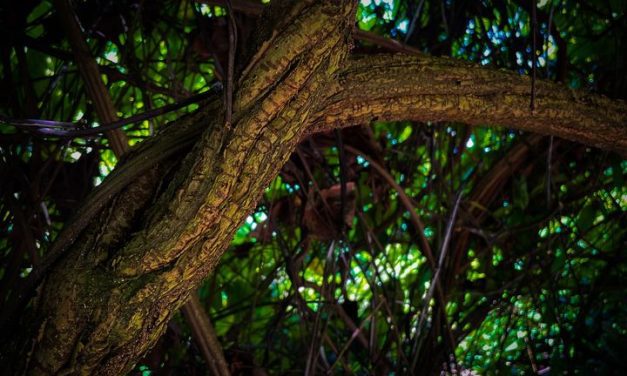
This brew, commonly called yagé, or yajé in Colombia, ayahuasca in Ecuador and Peru (Inca “vine of the dead, vine of the souls,” aya means in Quechua “spirit,” “ancestor,” “dead person,” while huasca means “vine,” “rope”), and caapi in Brazil, is prepared from segments of a species of the vine Banisteriopsis, a genus belonging to the Malpighiaceae.1

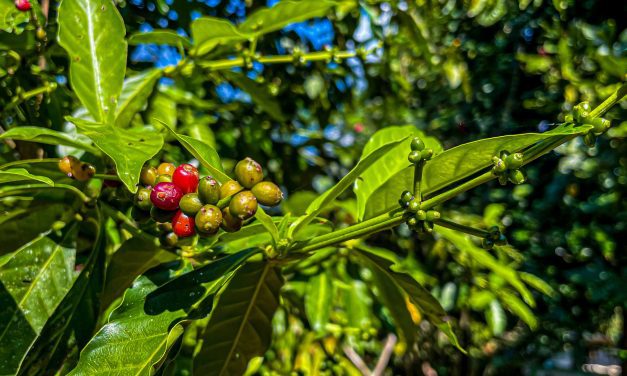
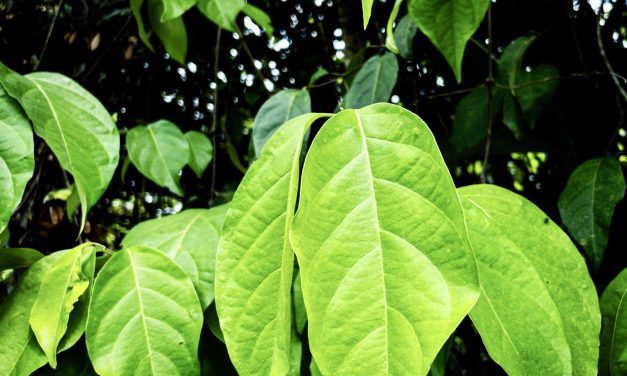
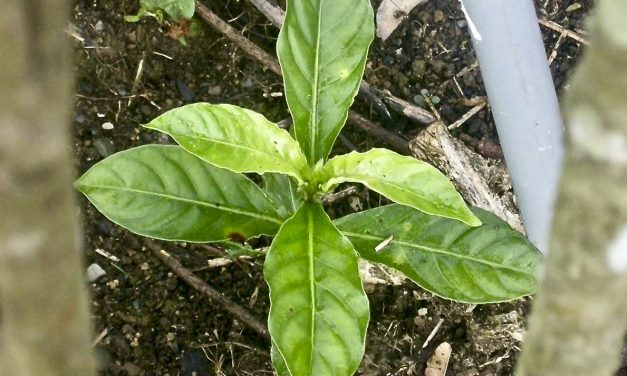
Sections of vine are boiled with leaves from any of a large number of potential admixture plants (such as Psychotria viridis, pictured above) resulting in a tea that contains the powerful hallucinogenic alkaloids harmine, harmaline, d-tetrahydroharmine, and dimethyltryptamine (DMT). Dimethyltryptamine closely resembles serotonin and has been discovered to be a component of normal mammallian metabolism, an endogenous hallucinogen. These compounds have chemical structures and effects similar, but not identical to LSD, mescaline of the peyote cactus, and psilocybin of the psychotropic Mexican mushroom. This brew has been used in the Amazon for millennia in order to heal, divine, and worship.2

With Ayahuasca, an interior sound is commonly heard, which quite often triggers a spontaneous burst of imitative vocalizings, markedly unlike any conventional human speech or facial contortions. The tryptamines can apparently trigger a kind of rippling of facial muscles, which results in the production of a vocally modulated pressure wave. What is more startling is that the sound, which gains in energy the longer it is sustained, can actually become visible—as if the vibrational wave patterns were shifting into the visible spectrum or inducing a vibrational excitation of the air in such a way as to affect light diffraction. These observations suggest that although the wave is produced with sound, it may possess an electromagnetic component. This peculiar wave phenomenon will continue to be generated out of the mouth and nostrils and will be visible in the surrounding air as long as the vocalizations are continued.3

Natives of Amazon have traditionally combined Banisteriopsis caapi vine, which contains harmine, harmaline and related beta-carbolines, with DMT-containing plants to make an orally active brew called ayahuasca. Other plants containing harmine and/or harmaline can be substituted for B. caapi. The usual ‘North-American ayahuasca’ consists of Peganum harmala seeds and Desmanthus illinoensis roots, and in Australian ‘acaciahuasca’ leaves of Acacia complanata are combined with material from DMT-containing acacias (the effectivity of this mixture hasn’t been confirmed).4

Assembled from material by 1Harner, 2Luna, 3McKenna, and 4Ott.

banisteriopsis caapi psychotria viridis
Contains—

Contains—

Resembles—

Resembles—

Source: www.deoxy.org

, , , , , , , ,

Jan
22

The best documentary of Ayahuasca Healing (English sub)

, , ,

Jan
20

Ayahuasca (Quechua, pronounced a.ja.wa.ska) is one of various psychoactive infusions prepared from the Banisteriopsis spp. vine, native to the Amazon rainforest (which is also called ayahuasca). The resulting drinks are pharmacologically complex and used for shamanic, folk-medicinal, and religious purposes.

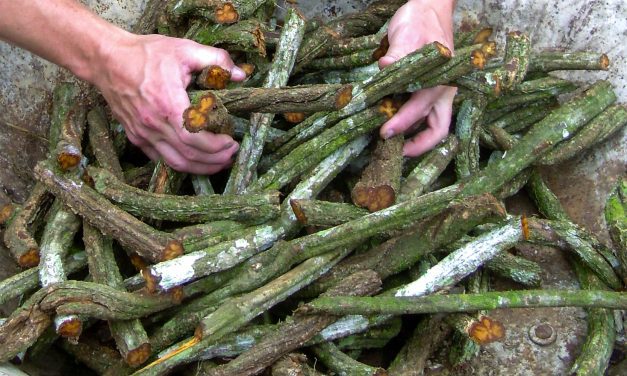
Preparation Sections of vine are macerated and boiled alone or with leaves from any of a large number of other plants, including Psychotria viridis (chakruna in Quechua) or Diplopterys cabrerana (also known as chacropanga). The resulting brew contains MAO inhibiting harmala alkaloids and the powerful hallucinogenic alkaloid N,N dimethyltryptamine (DMT), a psychedelic which is active orally only when combined with an MAOI. Harmala alkaloids in Banisteriopsis caapi serve as MAOIs in Ayahuasca. Western brews sometimes substitute plant sources such as Syrian Rue or other harmala containing plants in lieu of the Banisteriopsis caapi vine, but the vine itself is always central to traditional usage.

Ayahuasca being prepared in the Napo region of Ecuador.Brews are also made with no DMT-containing plants; sometimes they are made with plants such as Justicia pectoralis, Brugmansia and sometimes made with no plants other than the ayahuasca vine itself. Tobacco is a common additive in traditional brews. The potency of this brew varies radically from one batch to the next, both in strength and psychoactive effect, based mainly on the skill of the shaman or brewer, as well as other admixtures sometimes added. Natural variations in plant alkaloid content and profiles also affect the final concentration of alkaloids in the brew, and the physical act of cooking may also serve to modify the alkaloid profile of harmala alkaloids.

Individual polymorphisms in the cytochrome P450-2D6 enzyme affects the ability of individuals to metabolize harmine. Some natural tolerance to the regular use of Ayahuasca (say, once weekly) may be seen as an upregulation of the serotonergic system. A phase 1 pharmacokinetic study on Ayahuasca (as Hoasca) with 15 volunteers was conducted in 1993, during the Hoasca Project. A review of the Hoasca Project has been published.

Names: “caapi”, “cipó,” “hoasca” or “daime”, in Brazil “yagé” or “yajé” in Colombia; popularized in English by the beat generation writers William S. Burroughs and Allen Ginsberg in The Yage Letters. “ayahuasca” or “ayawaska” in Ecuador, Bolivia and Peru, also to a lesser extent in Brazil (“vine of the dead” or “vine of souls”: in Quechua, aya means “spirit,” “ancestor,” or “dead person,” while waska means “vine” or “rope”). The name is properly that of the plant B. caapi, one of the primary sources of beta-carbolines for the brew.

“natem” amongst the indigenous Shuar people of Peru.

Urarina shaman, 1988It should be noted that the spelling ayahuasca is the hispanicized version of the name; many Quechua or Aymara speakers would prefer the spelling ayawaska. In the central andeans of Perú Ayacwasca means :”Ayac” (spirit or dead) and “Wasca” (vine, cord or rope)

Usage Ayahuasca is used largely as a religious sacrament, no matter which culture it is associated with. Those whose usage of ayahuasca is performed in non-traditional contexts often align themselves with the philosophies and cosmolgies associated with ayahuasca shamanism, as practiced among indigenous peoples like the Urarina of Peruvian Amazonia.

While non-native users know of the spiritual applications of ayahuasca, a less well-known traditional usage focuses on the medicinal properties of ayahuasca. Its purgative properties are highly important (many refer to it as la Purga, “the purge”). The intense vomiting and occasional diarrhea it induces can clear the body of worms and other tropical parasites, and harmala alkaloids themselves have been shown to be anthelmintic. Thus, this action is twofold; a direct action on the parasites by these harmala alkaloids (particularly harmine in ayahuasca) works to kill the parasites, and parasites are expelled through the increased intestinal motility that is caused by these alkaloids.

Ayahuasca cooking in the Napo region of Ecuador. Dietary taboos are almost always associated with the use of Ayahuasca; in the rainforest, these tend towards the purification of one’s self- abstaining from spicy and heavily seasoned foods, fat, salt, caffeine, acidic foods (such as citrus) and sex before, after, or both before and after a ceremony. A diet low in foods containing tyramine is recommended, as the interaction of tyramine and MAOIs can lead to a hypertensive crisis. This extreme dietary specificity is largely a modern one, as most tyramine is produced as food ages, and is therefore not usually a problem in traditional South American cultures. These dietary restrictions have developed as a means of making ayahuasca ingestion easier on the body, as well as having strong traditional and spiritual significance